Barbados Barbados
Abbiamo attraversato l’Oceano Atlantico e siamo arrivati a Barbados esattamente dieci giorni fa: sono passati in fretta tra spiagge caraibiche, sole, sessioni di apnea, tartarughe, side quests varie. Da dove iniziare a raccontare?
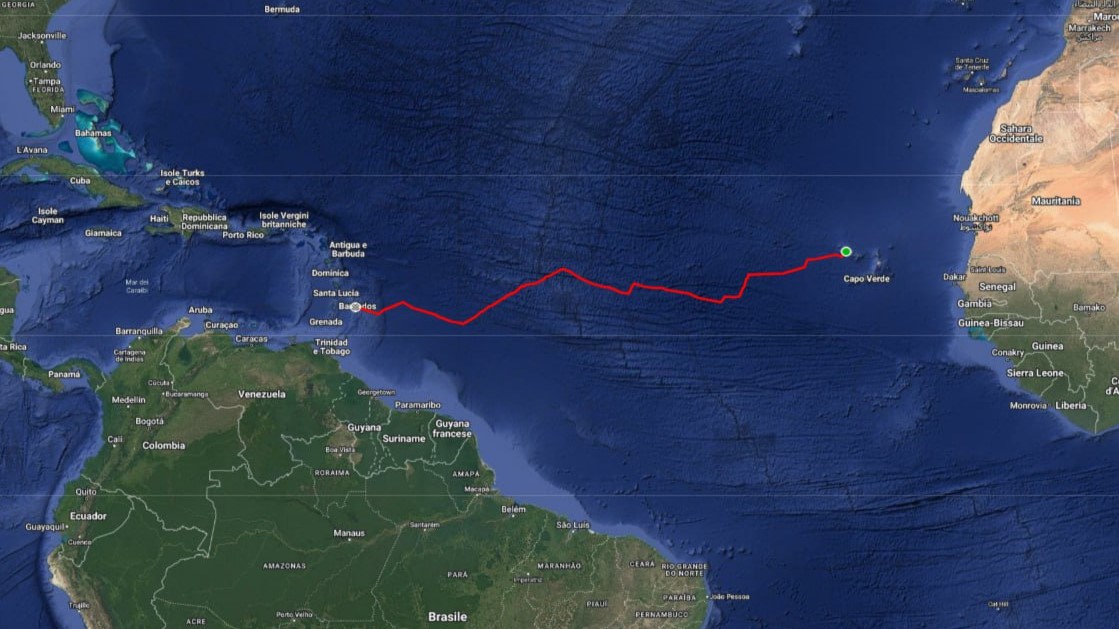
In italiano spesso chiamiamo questo posto “Le Barbados” ma in realtà è una singola isola. Ci arriviamo dopo dodici giorni di navigazione in mare aperto. Ci ‘accoglie’ la sua pazza costa orientale: gli Alisei, dopo aver attraversato tutto l’Oceano, la colpiscono rendendola aspra e ondosa, troppo mossa per ancorare. Mentre ci spostiamo verso la parte occidentale, sottovento, ci sorprende una squall (tempesta locale), un muro di pioggia e vento che vediamo all’orizzonte e cinque minuti dopo è già sopra le nostre teste, cogliendoci di sorpresa. Con un po’ di fortuna, sforzi disumani e tante bestemmie, riusciamo comunque ad ammainare le vele. Insomma, un grande inizio.
Ancoriamo davanti alla capitale, Bridgetown. Sbarchiamo per sbrigare le nostre faccende, dopo due settimane passate in mare: comprare frutta e verdura fresca, sentire di essere su qualcosa che non si muove, fare più di cinque passi di fila, comprare una scheda SIM, bere una birra – no, non sono in ordine di importanza.
Mi dedico alla mia side quest principale: l’aria umida salata di due mesi di barche a vela ha corroso la porta usb del mio smartphone, rendendolo inutilizzabile. Mentre cerco qualche buon samaritano che me lo possa riparare, mi rendo conto in fretta di cos’è la famosa vibe Caraibica. Le persone non sono NPC senza personalità, ma super interattive, furbe e focose. Barbados è un ex colonia dell’impero britannico. Gli abitanti originari, i caribe, vennero completamente sterminati dagli europei: ora l’isola è abitata per la maggior parte dai discendenti degli schiavi africani. Tutti parlano inglese o bajan, una lingua creola, con un accento simile a quello di Bob Marley.
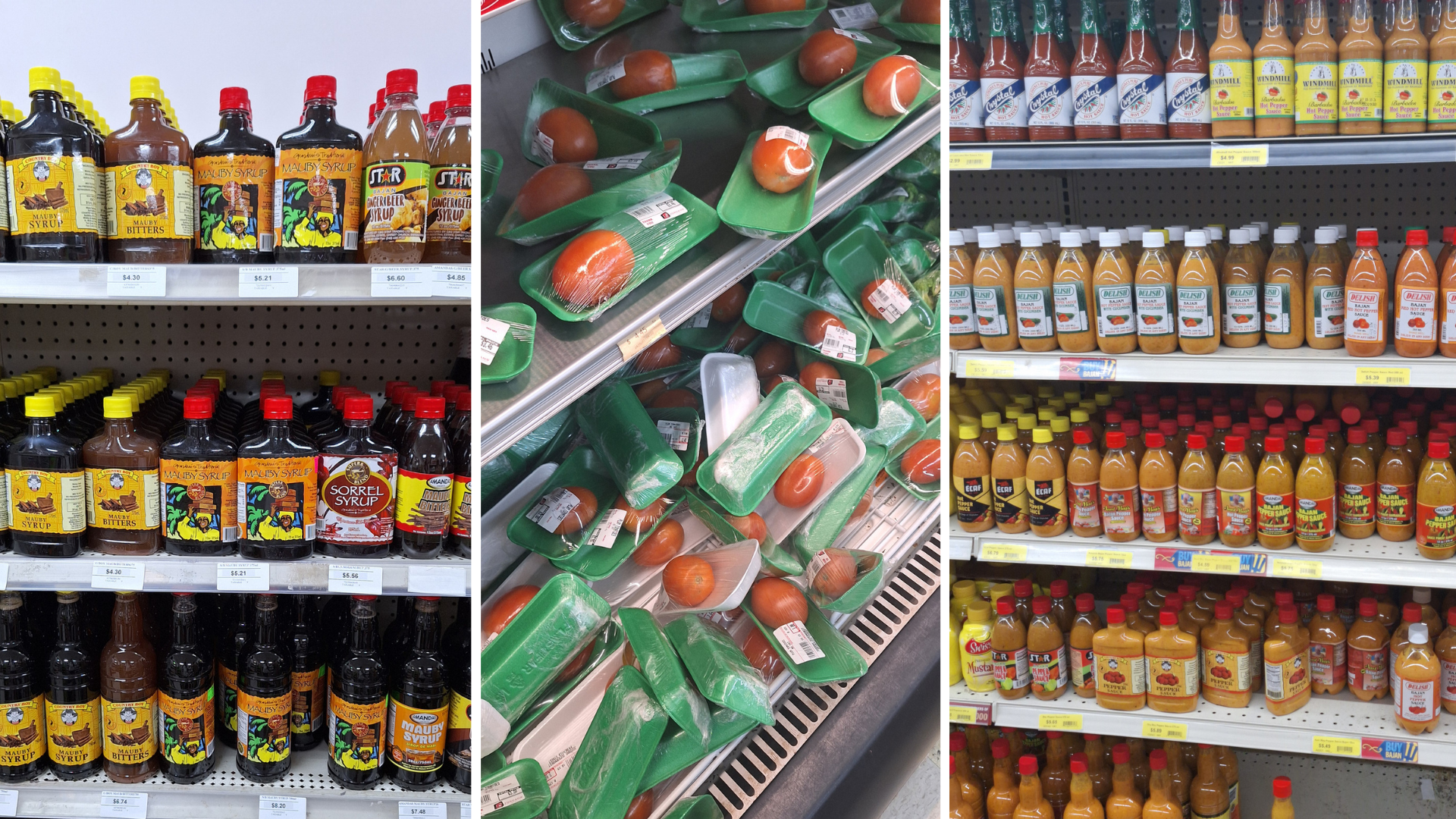
Durante le nostre gite ai vari supermercati ci rendiamo conto che Barbados non produce quasi nulla; frutta e verdura fresca vengono importati e venduti incellofanati uno a uno a prezzi folli. Scopriamo però alcune gemme locali: rum (sostengono di averlo inventato qui, ma quasi ogni isola caraibica dice la stessa cosa), mauby (sciroppo amaro da bere fresco diluito con l’acqua) e la bajan pepper sauce (salsa superpiccante a base di chile caribeno di cui mi innamoro perdutamente).
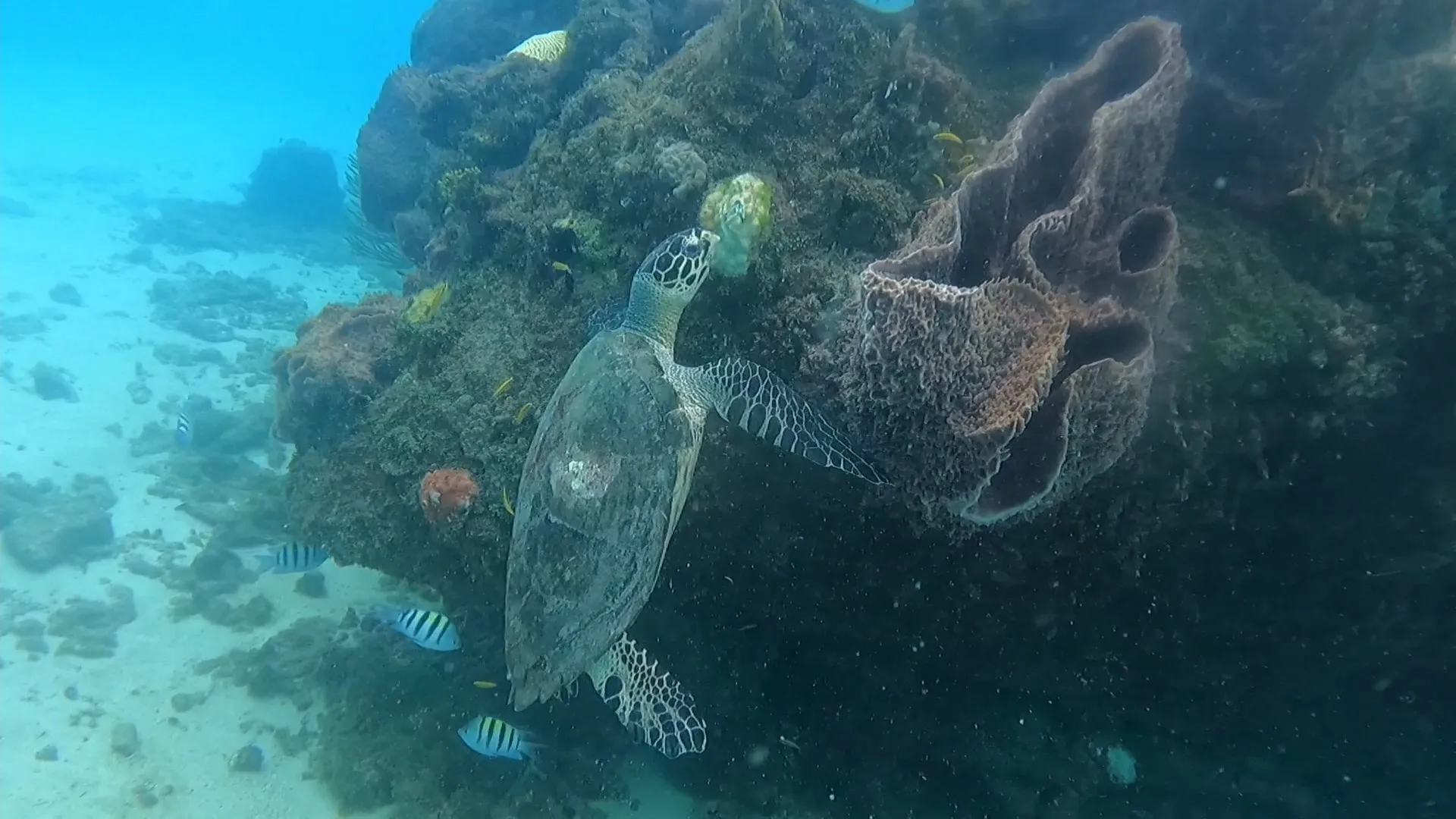
Scopriamo che vicino a dove siamo ancorati esiste un parco sottomarino, cinque relitti inabissati tra i 10 e i 20 metri di profondità. Il miglior parco giochi possibile per praticare l’apnea. Sono felice come un bambino e Tessa viene contagiata dal mio entusiasmo: la aiuto a capire come compensare la pressione sui timpani e approfittiamo di ogni momento libero per andare a esercitarci tra i relitti. Gruppi di decine di turisti con snorkel e giubbotto salvagente partono dalla spiaggia, accompagnati da guide locali per vedere i relitti. Ma noi abbiamo i nostri metodi alternativi: arriviamo direttamente con il dinghy, lo assicuriamo a una delle tante boe e ci buttiamo per vedere le meraviglie che vivono sul fondale. Pesci porcospino, tartarughe, coralli, banchi di salpe, aragoste, cernie. Manca solo Sebastian che canta ‘In fondo al mar’.
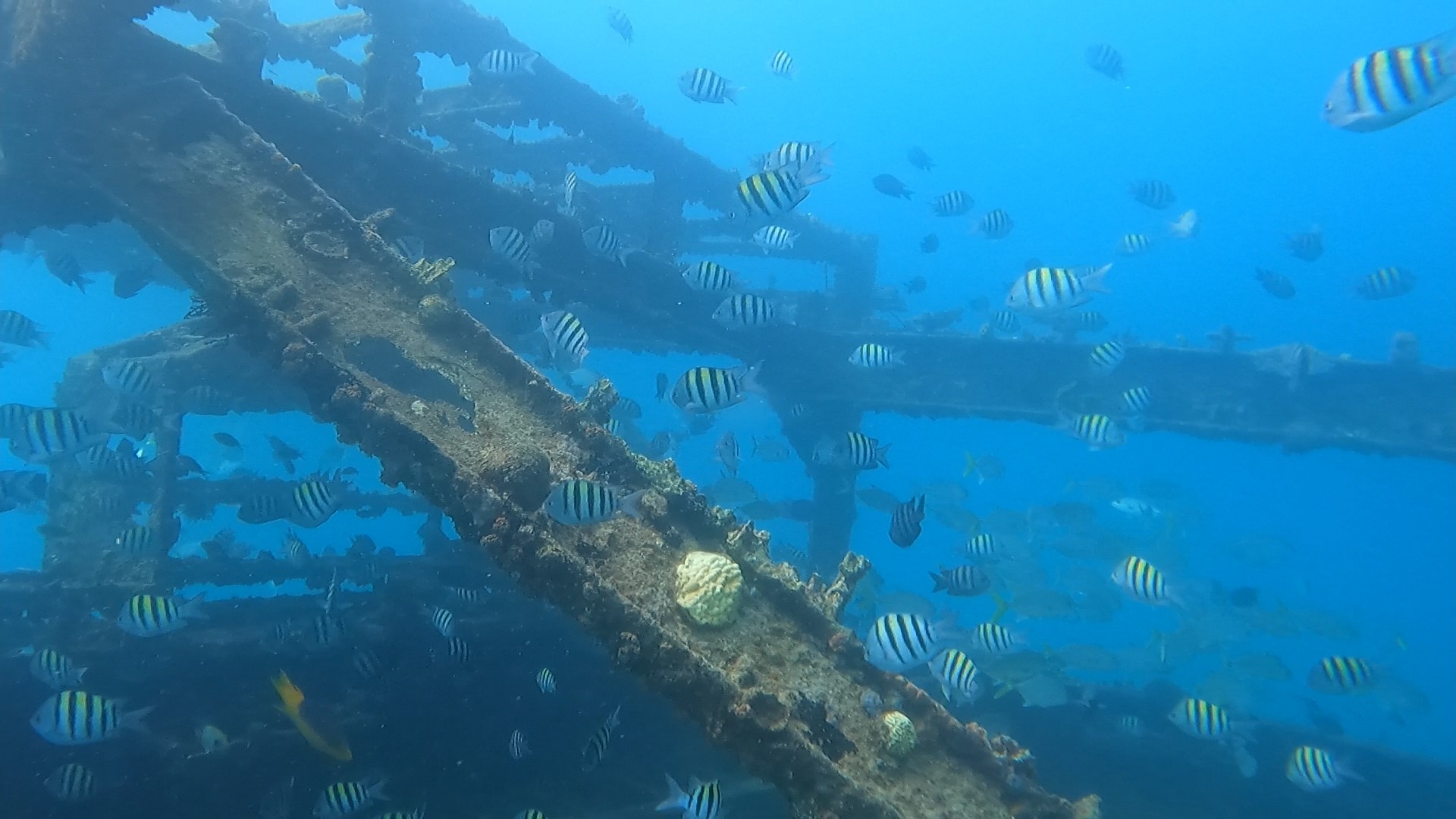
Le guide locali ci chiamano yachties (perché viviamo su una barca a vela, uno yacht) e ci riconoscono facilmente dalla nostra abbronzatura troppo marcata. Ci prendono in giro scherzosamente e non riesco mai a capire quando siano seri e quando no. Esempio: un giorno mi avvicino a un grande barracuda che sta pattugliando il fondale. È il re della zona, si aggira lentamente tra i relitti e i pesci spariscono, intimiditi dalla sua presenza temibile. Quando riemergo, una guida mi avverte di non rifarlo perché il barracuda può uccidere un uomo in un istante, con una fulminea azzannata alla giugulare. Ma procede poi immediatamente anche lui a lanciarsi in profondità come ho fatto io, per filmare il barracuda a pochi centimetri di distanza.
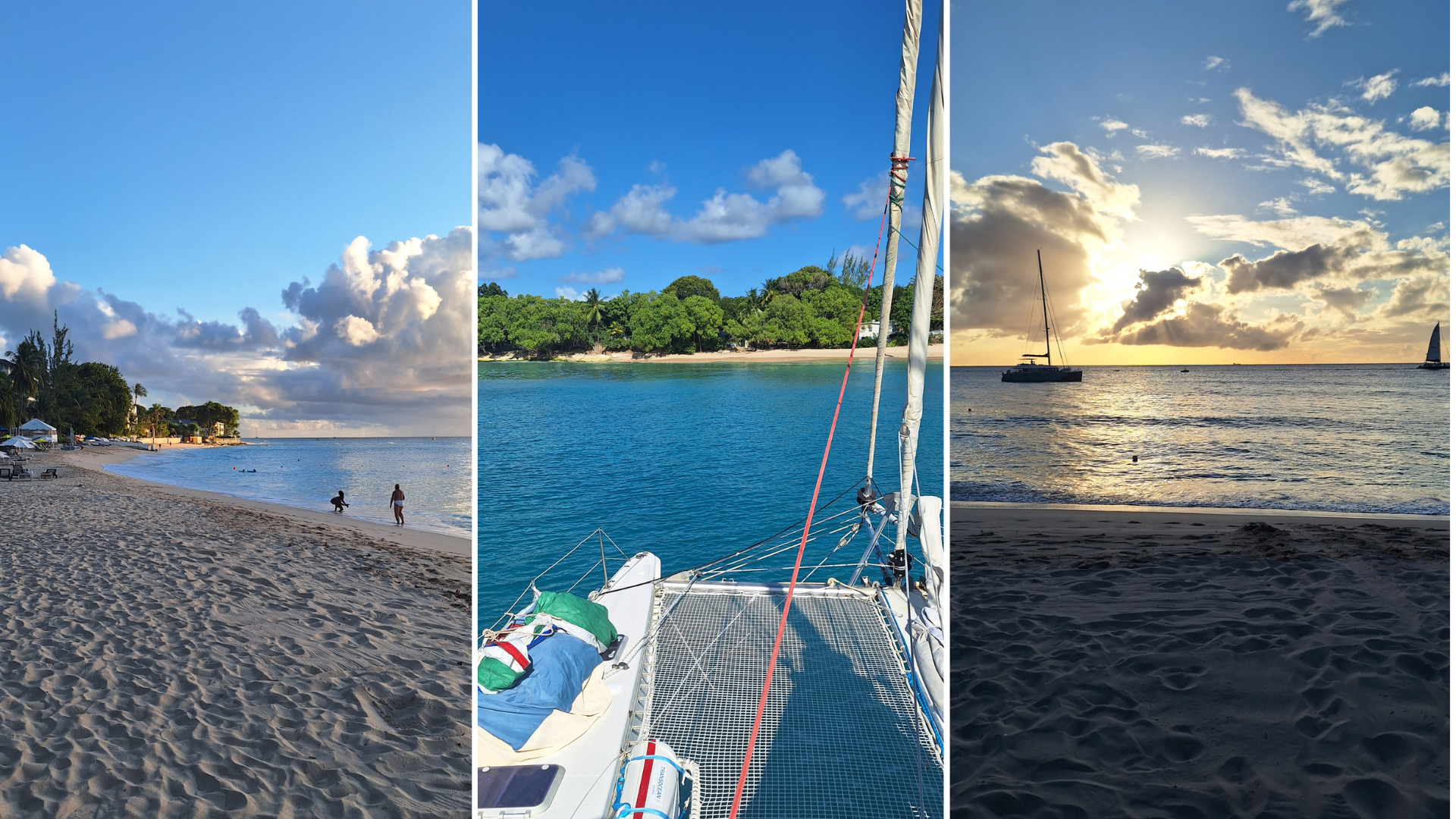
Nei giorni seguenti navighiamo lungo tutta la costa occidentale di Barbados, ancorando nelle spiagge che ci ispirano di più. L’isola è un classico paradiso caribico con spiagge dorate e palme, ma senza dubbio non è la più bella delle Antille. Troppo urbanizzata, abbastanza piatta, resort di lusso e campi da golf la fanno da padrona. Ancorare è relativamente semplice, il fondale è sempre sabbioso e declina lentamente. Questo mi impensierisce per le mie sessioni di snorkeling e apnea: normalmente la vita marina si concentra vicino alle formazioni rocciose o ai relitti. E invece rimango sorpreso. Trovo sul fondale di Barbados tartarughe, razze, granchi enormi che fanno a botte con pesci con ali multicolorate come farfalle. Mi devo ricredere.
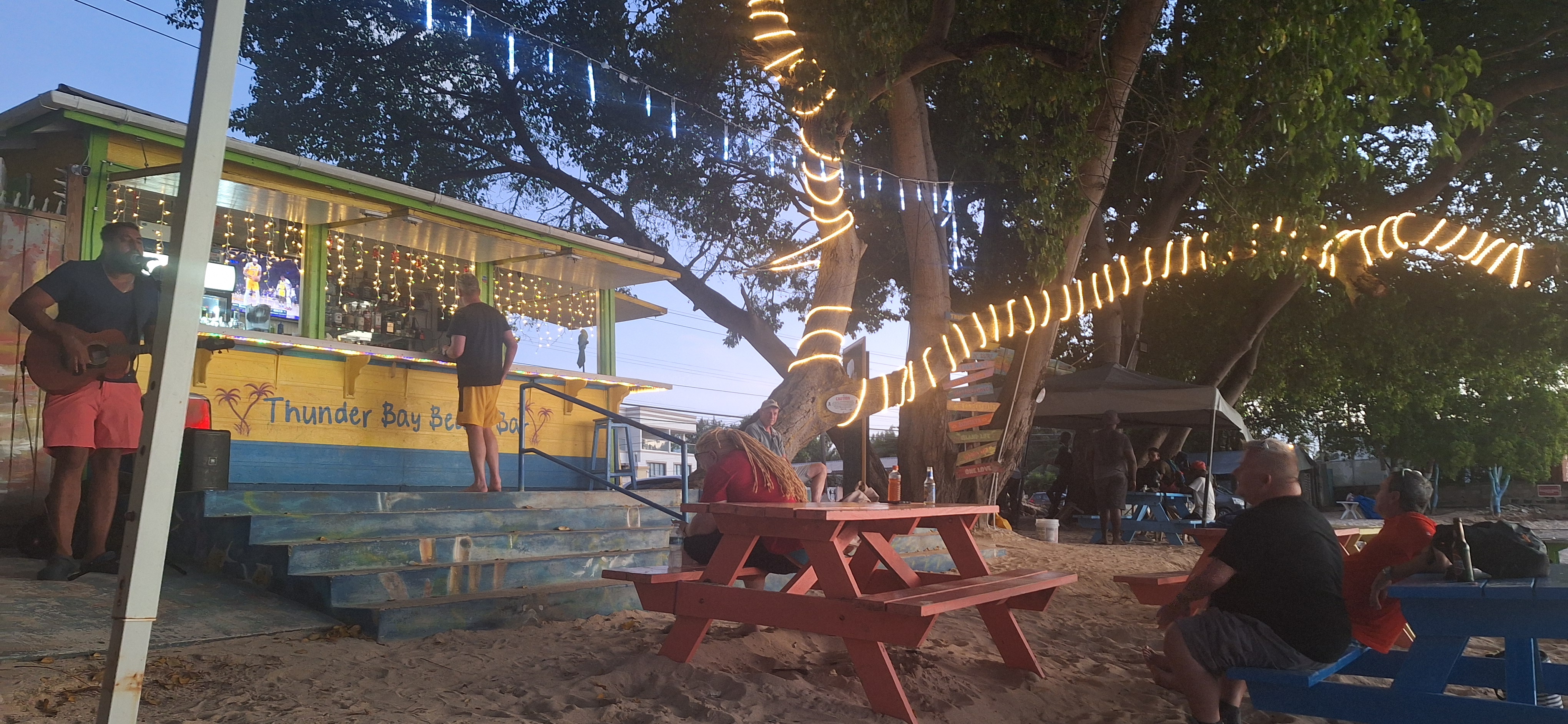
Una sera ancoriamo davanti alla classica spiaggietta con palme, chiringuito con birrette e due rastafariani scoppiati che mettono musica reggae. Io e Tessa raggiungiamo la spiaggia a nuoto nel buio, portandoci i vestiti nelle drybags, sentendoci due agenti speciali stile James Bond. Scopriamo dai gestori che Rihanna (originaria di Barbados) frequenta sovente il chiringuito, e loro ne vanno super fieri. Il loro profilo instagram è una lunga collezione di selfie dei fedeli avventori con la famosa star.
Dopo la traversata ci sono parecchi lavori da fare di pulizia e manutenzione e passiamo molto tempo insieme a bordo di Laia – come se la traversata non fosse stata già abbastanza - per cui ogni tanto ci serve sbarcare a terra per avere dei momenti in solitaria.
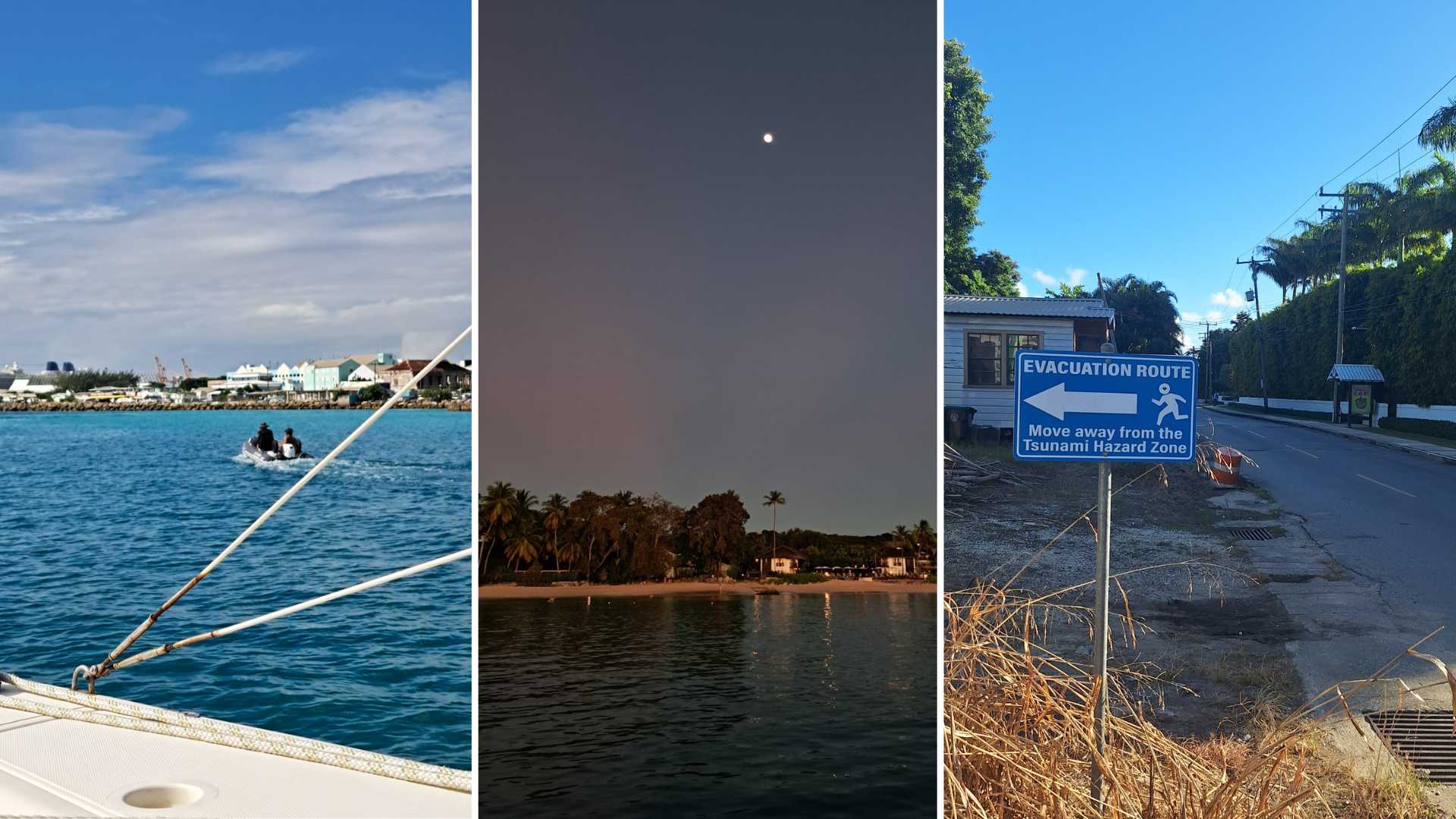
Un pomeriggio sbarchiamo con il dinghy nel paesino di Speightstown per goderci i nostri rispettivi pomeriggi a farsi ognuno i cazzi propri. Visito un’esposizione locale con opere a tema marino e guardo le scimmie dispettose che vivono sugli alberi del paese. Qua il piatto nazionale è riso con pesce volante, ma ne ho già mangiati a sufficienza durante la traversata: compro del mahi mahi, il mio pesce preferito - quello che non sono mai riuscito a pescare. Gironzolo tra le strade del paese sorprendendomi per i cartelli di evacuazione tsunami e finisco nell’immancabile vicolo pieno di bife (brutte facce) che mi offrono rum in maniera troppo insistente e mi ricordano che non sono a Disneyland, e devo stare un po’ all’erta. Vedere la vita a terra ci ricorda che questi paradisi caraibici non sono solo sole-cocco-palme: fuori dai resort per i turisti ricchi, la povertà e il degrado sono evidenti. Intanto Tessa vaga un po’ troppo verso l’interno dell’isola e viene rimproverata da una signora: per una ragazza con occhi azzurri e lunghi capelli biondi è troppo pericoloso vagare senza pensieri in quelle strade. La signora chiama un poliziotto che carica Tessa in auto e la riporta al molo.
Certo noi siamo dei grandi privilegiati: è bellissimo esplorare Barbados in catamarano, svegliarsi all’alba e iniziare la giornata con una sessione di apnea, cercare le tartarughe sui fondali e godersi il sole dei Caraibi.
Eppure, mi manca qualcosa. Non mi basta più il senso di avventura che mi dà la vela. Laia inizia a starmi stretta: inizio a patire la vita da yachties. Mi sento tagliato fuori dal mondo: ho una grande voglia di scendere a terra, immergermi nella cultura, mangiare nelle bettole, parlare con le persone.
Ma non devo aspettare molto: dieci giorni passano in fretta tra spiagge e sessioni di apnea.
Ed eccoci qui. Oggi è il gran giorno: lascio Laia, Noël e Tessa. La vigorosa stretta di mano da lupo di mare di Noël e il caloroso abbraccio di Tessa mi lasciano gratitudine, felicità e un po’ di malinconia. Salgo sul bus per l’aeroporto godendomi uno dei più grandi lasciti postcoloniali del Regno Unito: Céline Dion sparata a massimo volume sui mezzi pubblici.
E intanto penso che ce l’ho fatta, sono riuscito ad attraversare l’Atlantico. È stato un viaggio oltre le aspettative, avventuroso, imprevedibile, una scuola di vita. Sarà difficile replicare queste sensazioni a terra. Ma basta barche, per ora. La traversata atlantica era solo l’antipasto prima del piatto principale. Oggi volerò verso un’altra isola caraibica, molto più grande: la Repubblica Dominicana mi aspetta. Sarà la mia prima tappa del mio grande sogno, che aspetto da anni: il mio viaggio in America Latina.
We crossed the Atlantic Ocean and arrived in Barbados exactly ten days ago: they’ve flown by in a blur of Caribbean beaches, sunshine, freediving sessions, turtles and various side quests. Where to even begin?
We arrive after twelve days of sailing on the open ocean. We’re “welcomed” by its wild eastern coast: the Trade Winds, after crossing the entire ocean, slam into it and make it rough and choppy — too rough to anchor. As we move toward the western, leeward side, a squall catches us off guard: a wall of rain and wind we spot on the horizon, and five minutes later it’s already right on top of us. With a bit of luck, superhuman effort and a torrent of cursing, we manage to get the sails down. Quite the welcome.
We anchor off the capital, Bridgetown. We go ashore to take care of business after two weeks at sea: buy fresh fruit and vegetables, feel something solid underfoot that doesn’t move, walk more than five steps in a row, buy a SIM card, drink a beer — no, those aren’t in order of importance.
I throw myself into my main side quest: two months of salty, humid sailing air has corroded the USB port on my smartphone, rendering it useless. While hunting for a good samaritan who can fix it, I quickly get a feel for the famous Caribbean vibe. People here are not personality-free NPCs — they’re hyper-interactive, sharp and fiery. Barbados is a former colony of the British Empire. The original inhabitants, the Caribs, were wiped out entirely by Europeans: the island is now populated mostly by the descendants of African slaves. Everyone speaks English or Bajan, a Creole language, with an accent similar to Bob Marley’s.
During our trips to various supermarkets we realise that Barbados produces almost nothing; fresh fruit and vegetables are imported and sold individually cellophane-wrapped at eye-watering prices. We do discover some local gems, though: rum (they claim to have invented it here, but almost every Caribbean island says the same thing), mauby (a bitter syrup drunk cold, diluted with water) and bajan pepper sauce — a super-spicy condiment made from Caribbean chilli that I fall hopelessly in love with.
We discover that near our anchorage there’s an underwater park: five shipwrecks sunk at depths between 10 and 20 metres. The perfect playground for freediving. I’m happy as a kid and Tessa catches my enthusiasm: I help her figure out how to equalise the pressure on her eardrums and we take advantage of every free moment to go and practise among the wrecks. Groups of tourists with snorkels and buoyancy vests depart from the beach, led by local guides to see the wrecks. But we have our own approach: we arrive directly on the dinghy, tie up to one of the many buoys and jump in to explore the wonders on the seabed. Porcupinefish, turtles, coral, schools of parrotfish, lobsters, groupers. All that’s missing is Sebastian singing “Under the Sea.”
The local guides call us “yachties” (because we live on a sailing boat) and can easily spot us by our deep tans. They tease us relentlessly and I can never tell when they’re being serious and when they’re not. For example: one day I swim up close to a large barracuda patrolling the seabed. He’s the king of the area, cruising slowly between the wrecks while the other fish scatter, intimidated by his fearsome presence. When I surface, a guide warns me not to do it again because a barracuda can kill a man in an instant with a lightning-fast bite to the jugular. Then he immediately dives down himself to film the barracuda from a few centimetres away.
In the following days we sail along the entire western coast of Barbados, anchoring at whichever beaches catch our eye. The island is a classic Caribbean paradise with golden beaches and palm trees, but it’s honestly not the most beautiful of the Antilles. Too built up, fairly flat, dominated by luxury resorts and golf courses. Anchoring is relatively straightforward — the seabed is always sandy and shelves gently. This makes me a little pessimistic about my snorkelling and freediving sessions: usually marine life concentrates around rocky formations or wrecks. But I’m proven wrong. On the seabed off Barbados I find turtles, rays, enormous crabs scrapping with fish that have multicoloured wings like butterflies. I have to revise my opinion.
One evening we anchor off the classic little beach — palm trees, a beach bar with cold beers and two chill Rastafarians playing reggae. Tessa and I swim to shore in the dark, carrying our clothes in dry bags, feeling like James Bond agents on a mission. We learn from the owners that Rihanna — a Barbados native — is a regular at the bar, and they’re enormously proud of it. Their Instagram is an endless collection of selfies of devoted regulars posing with the famous star.
After the crossing there’s a fair amount of cleaning and maintenance to do, and we spend a lot of time together aboard Laia — as if the crossing hadn’t already been enough — so every now and then we need to go ashore and have some time to ourselves.
One afternoon we take the dinghy into the little town of Speightstown to enjoy our respective afternoons doing our own thing. I visit a local exhibition of marine-themed artwork and watch the cheeky monkeys that live in the town’s trees. The national dish here is rice with flying fish, but I’ve already eaten enough of those during the crossing: I buy mahi-mahi instead, my favourite fish — the very one I never managed to catch. I wander the town’s streets, amused by the tsunami evacuation signs, and inevitably end up in an alley full of sketchy characters offering me rum in a rather too insistent manner, reminding me this is not Disneyland and I should keep my wits about me. Seeing life on shore reminds us that these Caribbean paradises are not just sunshine, coconuts and palm trees: beyond the resorts built for wealthy tourists, poverty and decay are plain to see. Meanwhile Tessa wanders a little too far into the interior of the island and gets a sharp telling-off from a local woman: for a girl with blue eyes and long blonde hair, wandering those streets carefree is too dangerous. The woman calls a policeman, who puts Tessa in the car and drives her back to the dock.
We are, of course, enormously privileged: exploring Barbados by catamaran is wonderful — waking at dawn and starting the day with a freediving session, searching for turtles on the seabed, soaking up the Caribbean sun.
And yet, something is missing. The sense of adventure that sailing gives me is no longer enough. Laia is starting to feel too small: I’m beginning to chafe against the yachtie life. I feel cut off from the world — I have a powerful urge to get ashore, immerse myself in the culture, eat in hole-in-the-wall joints, talk to people.
But I don’t have to wait long: ten days pass quickly between beaches and freediving sessions.
And here we are. Today is the big day: I’m leaving Laia, Noël and Tessa. Noël’s vigorous sea-dog handshake and Tessa’s warm hug leave me feeling grateful, happy and a little melancholy. I board the bus to the airport, enjoying one of the few great postcolonial legacies of the United Kingdom: Céline Dion blasted at full volume on public transport.
And as I ride, it hits me: I did it. I crossed the Atlantic. It was a journey beyond all expectations — adventurous, unpredictable, a school of life. It will be hard to replicate these feelings on land. But enough boats, for now. The Atlantic crossing was only the appetiser before the main course. Today I’ll fly to another Caribbean island, a much larger one: the Dominican Republic is waiting. It will be my first stop on the great dream I’ve been nurturing for years: my journey through Latin America.
Resta aggiornato Stay updated
Ricevi una mail a ogni nuovo racconto Get an email with every new entry
Niente spam, solo i nuovi capitoli del viaggio - promesso :) No spam, just the new chapters of the journey - I promise :)
Iscrizione completata! Riceverai una mail a ogni nuovo racconto. You're subscribed! You'll get an email with every new entry.
Qualcosa è andato storto. Riprova. Something went wrong. Please try again.