Costa Rica Costa Rica
Gli odori dell’aeroporto - non-luogo per eccellenza - sono sempre abbastanza gli stessi. Una miscela che, stranamente, mi dà una sensazione familiare di comfort. Era da anni che non mi capitava di stare mesi senza salire su un aereo. E ora eccomi qui, in volo verso Guayaquil, Ecuador. Da solo, dopo due mesi di viaggio in simbiosi con Emma.
Scrivo queste righe mentre l’aereo decolla e attraversa la coltre di nuvole che negli ultimi giorni ha stazionato sopra San José, incastrate tra le montagne e i vulcani che circondano la capitale del Costa Rica.
Nelle cuffie, immancabile ormai da 6 mesi, un po’ di salsa del Gran Combo de Puerto Rico. La musica caribeña mi dona un po’ di sollievo dall’addio strappalacrime al gate con Emma. La speranza é che si appiccichi alla memoria associativa musicale, così che, tra mesi o anni, mi basterà riascoltarla per ricalarmi in questo momento.
—
Gli ultimi dieci giorni nella parte nord del Costa Rica sono stati piuttosto uneventful - sì esatto viaggiare in Costa Rica è stato noioso - non sono ironico.
L’unico vero highlight: le immersioni alle Islas Murciélagos (Isole Pipistrello), nel Pacifico. Le avevo puntate da mesi. Da giugno a settembre sono meta di villeggiatura dei grandi e grossi bull sharks - per qualche strano motivo in italiano ‘squali leuca’ mentre gli ‘squali toro’ sono i sand tiger sharks - e non potevo ovviamente farli mancare nel mio Pokédex marino. L’ora e mezza di barca per arrivarci saltellando controvento sulle onde é passata rapidamente, costeggiando le paradisiache montagne della penisola Santa Rosa, tappezzate di verdissima foresta tropicale - non per niente ci hanno girato delle scene di Jurassic Park.
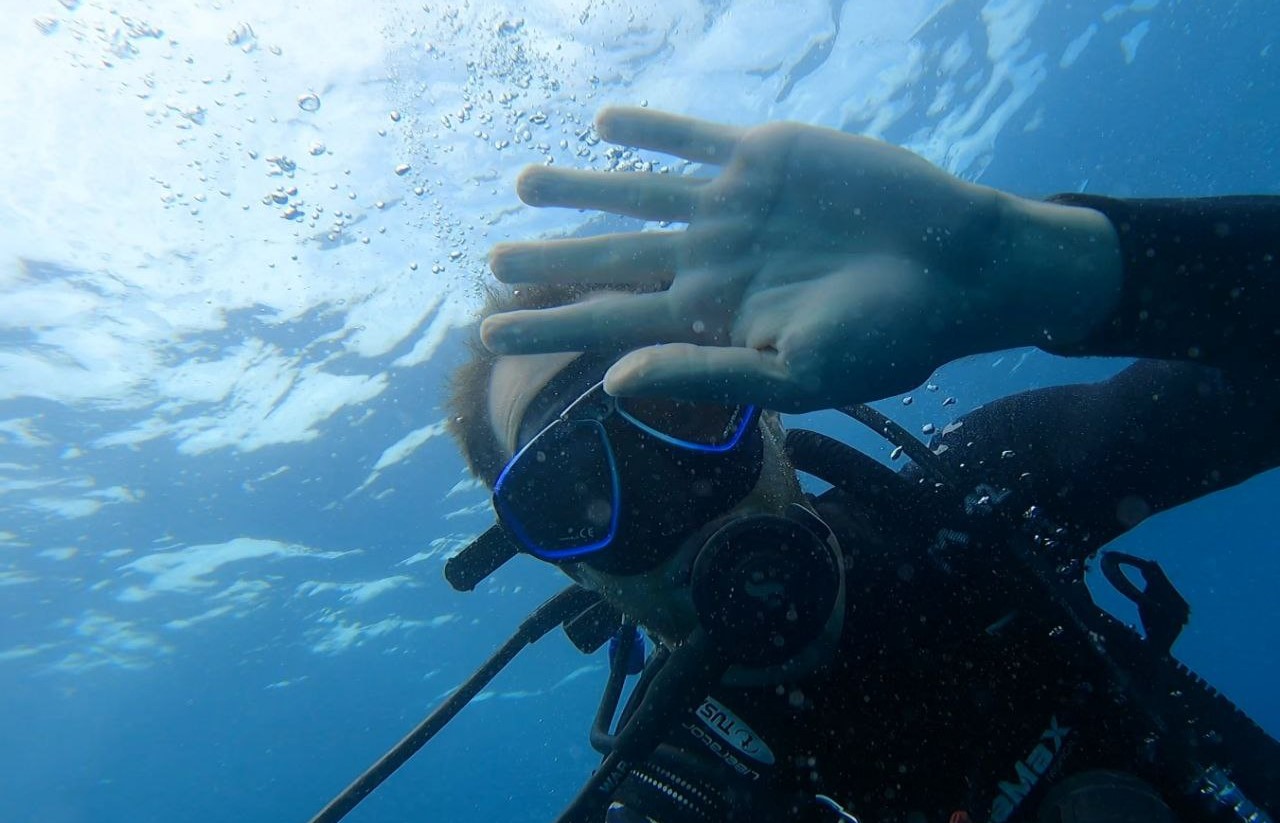
Prima di iniziare un’immersione cerco sempre di non farmi troppe illusioni: il mare é come un Babbo Natale capriccioso, ha sempre dei regali pronti, ma non si sa mai che giorno li consegna.
Stavolta invece i signori squali leuca erano già sotto di noi prima ancora che raggiungessimo il fondale, a 25 metri. Considerati tra gli squali più aggressivi, si sono rivelati dei veri timidoni, restando sempre al limite del nostro campo visivo. Babbo Natale ci ha poi regalato altri squali e tanta vita marina grande proprio come piace a me: mante, razze, murene… E anche qualche sorpresa piccola mai vista prima come i gamberetti arlecchino - sembrano fiori con le zampe - e i cavallucci marini.
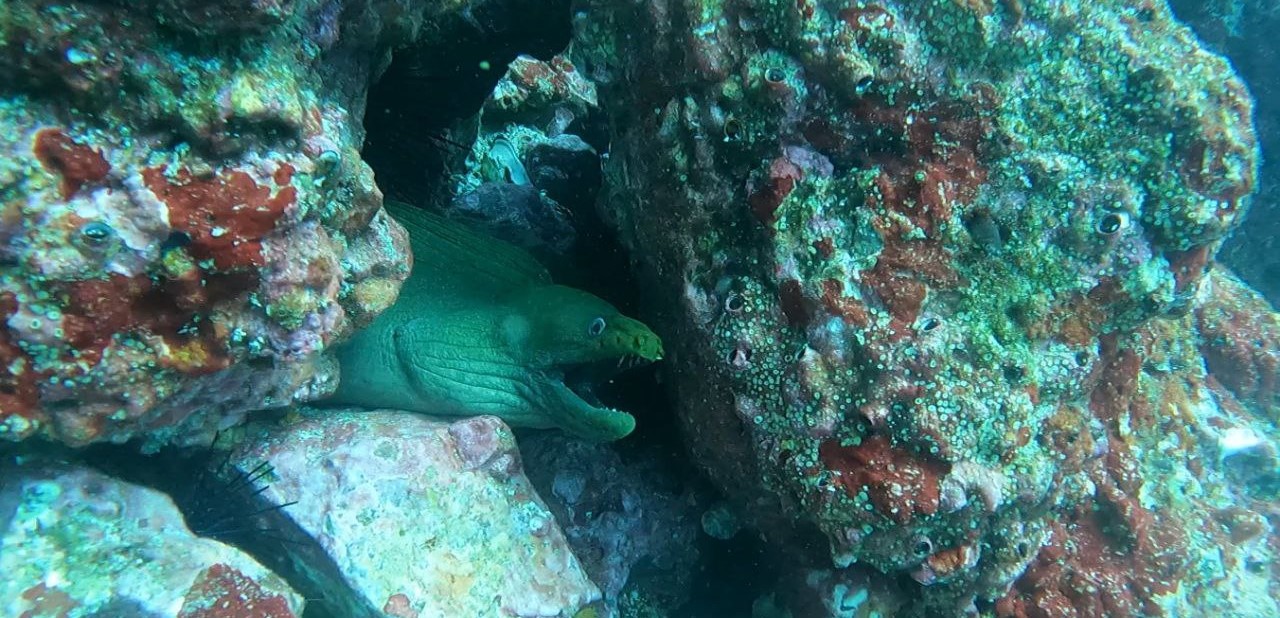
Essere sott’acqua quando la catena alimentare - sopra e sotto di me - è così attiva mi fa sempre provare delle sensazioni uniche, un misto di rilassamento, immersione nel presente e adrenalina unite alla sensazione di essere osservato, un po’ essere come nella giungla di notte ma con più silenzio - solo il rumore delle bolle che escono dal regolatore.
Le correnti forti dell’oceano mi hanno dato un assaggio di quello che mi aspetta alle Galápagos. Sono forti e ripetitive, spingono in avanti e poi risucchiano indietro, senza tregua, trascinando tutto ciò che nuota con sé. Oscillare insieme a tutto il resto della vita marina mi dà una forte sensazione di unità con le creature dell’oceano.
A volte invece arrivano le correnti più stronze, quelle che spingono sempre in una direzione, e il mio spirito contemplativo poetico viene rapidamente sostituito da quello blasfemo, specialmente quando mi apro un dito aggrappandomi a una roccia per non farmi trascinare via. L’acqua assorbe i colori e a 20m di profondità il rosso-arancione-giallo spariscono, e devo ammettere che vedere il sangue verde che esce a fiotti da una vena ha un certo fascino, anche se non era nella mia bucket list.
Un ultimo incontro speciale ha coronato la giornata: un biologo che cerca di transitare verso la progettazione software-hardware per lo studio di ecosistemi e fauna. Praticamente il mio gemello nemesi: io, che da elettronica e reti neurali mi voglio avvicinare ai progetti di wildlife conservation (mi piacciono i sogni impossibili). Due direzioni opposte ma lo stesso obiettivo. Sapere che esiste gente come me che cerca uno spazio tra questi crossover di mondi lontani mi rassicura.
—
Per il resto, negli scorsi giorni abbiamo zigzagato tra foreste nebulose e pluviali per qualche giorno: i brevi stay nei gettonati La Fortuna e Monte Verde ci hanno confermato che rimanere di più in Nicaragua e meno in Costa Rica è stata un’ottima scelta. L’impressione superficiale - troppo breve per un giudizio calibrato - che mi porto a casa del viaggiare in Costa Rica si riassume in “pay to win”: il pacchetto accessibile alla natura, costoso e poco avventuroso. Perfetto per un facile accesso alla natura-wildlife senza sporcarsi le mani cercando sentieri poco battuti.
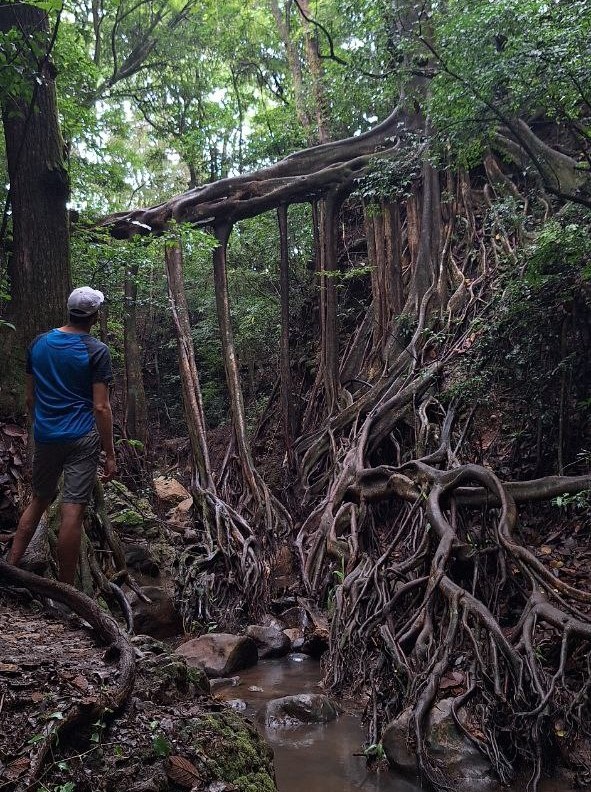
Ho fatto un tentativo per vedere se mi stessi veramente perdendo qualcosa, unendomi a un tour guidato di notte nella ‘foresta’ - un fazzoletto di terra in cui vagano diversi gruppi guidati . É bellissimo vedere quanti animali riesce a trovare la guida, anche se di solito scappano prima che tutto il gruppo di 10 persone li veda. Mi sono comunque divertito. Ma le mie passeggiate solitarie notturne nella foresta in Nicaragua, anche se meno efficienti (chissà quante bestiacce mi sono passate sotto il naso) erano più elettrizzanti, specialmente quando venivo attaccato dalle formiche legionarie o un kinkajou mi guardava con i suoi occhi-fanali dalla cima degli alberi
Il Costa Rica si impegna in un ammirevole lavoro di tutela del suo patrimonio naturale, notevolmente differente dal resto del Centroamérica. Anche la differenza di benessere materiale e sicurezza è palese: attraversare la frontiera da Nicaragua a Costa Rica mi ha dato la stessa sensazione che mi dà quella tra Italia e Svizzera. Ma dopo otto mesi di viaggio ho capito cosa sto cercando, e non è quello che il Costa Rica mi può offrire.
Gli ultimi giorni a San José in un ostello gestito da un ex narco dominicano sono passati in fretta, tra varie commissioni e serate passate a guardare la quadrilogia di Alien (ma il primo e il secondo quanto gasano?).
—
Oggi sia io che Emma lasciamo il Centroamérica. Io vado finalmente in Sudamerica, ma Emma termina il suo viaggio e torna in Europa. Provo ad immedesimarmi in lei e realizzo che non riuscirei a interrompere il mio in questo momento, il pensiero di tornare ora mi lascerebbe una grande amarezza, rimpianto e senso di incompiutezza: sento che questo viaggio non è ancora finito.
Ma Emma si vive la fine del suo viaggio abbastanza serenamente. Come dice lei, ha voglia di tornare nel pollaio tra le sue galline. La stanchezza di nove mesi di viaggio si fa sentire e ora si muove quasi per inerzia, con poco entusiasmo. La nostra dinamica però ha funzionato bene: lei ha portato stabilità, e io le ho dato la spinta a esplorare. Come una piccola simbiosi mutualistica. Tipo quella tra le formiche tagliafoglie - che qua si trovano ovunque - e i loro funghi coltivati in immensi formicai. Sì, queste formiche praticano l’agricoltura, e sì, volevo proprio infilarle qua dentro, perché sono incredibili e ho un debole per i superorganismi.
Cosa mi porterò a casa del Centroamérica? Forse lo capirò tra un po’ .
Alcune parti del mio viaggio, come la traversata oceanica in barca a vela oppure lo shock di Cabo Verde, sono state per me molto totalizzanti mentre le vivevo. Adattarsi a situazioni molto differenti in poco tempo porta a una crescita rapida. Sentivo questo cambiamento dentro di me quasi ogni giorno; così tanto che una settimana sembrava un mese e un mese un anno.
Gli ultimi tre mesi in Centroamérica sono stati diversi. Meno urgenza, meno trasformazione. Mi sono sempre sentito sufficiente essendo ‘me stesso’, con poca necessità di dovermi adattare e quindi pochi cambiamenti repentini. Però se cerco di immaginarmi fuori dalla dimensione ‘sempre nel presente’ del viaggio e mi guardo indietro, cosa vedo? I Tool dicono “my shadow is shedding skin / and I have been picking my scabs again”. I pezzi di pelle cadono dalla mia ombra, io li raccolgo, e per ora va bene così.
Oggi torno a viaggiare da solo. Adoro la libertà che mi dà viaggiare solo con me stesso, ma anche viaggiare in compagnia è fantastico. Come gestire questo aspetto nei prossimi mesi? Ancora non ho trovato un balance e non so se lo troverò .
Per me immergersi nella cultura del posto è LA ragione di viaggio (insieme all’esplorazione della natura) e parlare spagnolo è stato il mio passe-partout qua in Latinoamérica. Ma conoscere persone locali e spostarsi spesso vuole anche dire che è difficile avere persone amiche che ti accompagnino per una lunga parte del viaggio
Invece conoscere altri mochileros-backpackers vuole dire rinunciare un po’ alla cultura locale ma avere più chance nel trovare qualcuno con cui condividere il viaggio per più tempo, e con cui confrontarsi in una cultura nuova con una base comune. Ma la maggior parte dei backpackers non parla spagnolo e questo limita a spostarsi nei soliti ‘circuiti dei backpackers’, scollegati dalla vita dei locals, sospesi in una bolla di ostelli e conversazioni in inglese.
Con i backpackers o con i locals, visitare-sfruttare o vivere-capire, essere turisti o rifiutare di esserlo pur essendolo, turista o viaggiatore, completare la bucket list o godersi ciò che capita. Queste sono le false dicotomie, leitmotiv che si ripetono all’infinito da quando sono partito. E io ovviamente continuo a navigare tra questi estremi, senza una bussola precisa, accettando che forse - banalità delle banalità - l’equilibrio perfetto non esiste, e forse non serve nemmeno. Ma magari è proprio il viaggio stesso, con le sue contraddizioni, a insegnarmi chi sono davvero, a “pick my scabs again”, riflettendo le mie ombre più profonde, quella tensione che mi accompagna da sempre tra desiderio di appartenenza e voglia di libertà, tra connessione e solitudine.
Con tutti questi pensieri che mi frullano in testa, la mia playlist è ormai arrivata alle canzoni di Marco Antonio Solis (mio guilty pleasure degli ultimi mesi).L’aereo sta rullando sulla pista di atterraggio di Guayaquil e realizzo che sto per mettere finalmente piede in Sudamerica. Come sognavo da anni.
The smells of the airport - the ultimate non-place - are always pretty much the same. A strange mix that, weirdly, gives me a comforting sense of familiarity. It had been years since I went months without getting on a plane.
And now here I am, flying to Guayaquil, Ecuador. Alone, after two months of traveling in symbiosis with Emma.
I’m writing these lines as the plane takes off and climbs through the cloud blanket that’s been hovering over San José the past few days, stuck between the mountains and volcanoes surrounding Costa Rica’s capital.
In my headphones, as has been the case for six months now, a bit of salsa from El Gran Combo de Puerto Rico. Caribbean music gives me some relief from the tearful goodbye with Emma at the gate. I hope it sticks in my musical associative memory, so that months or years from now, just hearing it again will bring me right back to this moment.
—
The last ten days in northern Costa Rica were pretty uneventful - yes, traveling in Costa Rica was boring - and I’m not ironic.
The one real highlight: diving at the Islas Murciélagos (Bat Islands) in the Pacific. I’d had my eye on them for months. From June to September, they’re a vacation spot for the big bulky bull sharks and obviously I couldn’t leave them out of my marine Pokédex.
The 90-minute boat ride to get there, bouncing upwind over the waves, flew by, passing by the idyllic mountains of the Santa Rosa Peninsula, blanketed in lush green tropical forest - no wonder they shot some scenes of Jurassic Park there.
Before a dive, I always try to keep my expectations low: the ocean is like a moody Santa Claus - always has presents, but you never know which day they will be delivered.
This time, though, the bull sharks were already below us before we even reached the 25-meter seafloor. They’re considered among the most aggressive sharks, but they turned out to be sooo shy, always staying just at the edge of our field of vision.
Santa Claus then gifted us a few more sharks and plenty of big marine life, just how I like it: mantas, rays, moray eels… and even a few tiny surprises I’d never seen before, like harlequin shrimp — they look like flowers with legs — and seahorses.
Being underwater when the food chain — above and below me — is so alive always gives me a unique feeling: a mix of calm, presence, and adrenaline, along with the sensation of being watched. Kind of like being in the jungle at night — but quieter. Just the sound of the bubbles coming from the regulator.
The strong ocean currents gave me a taste of what’s coming at the Galápagos. They’re powerful and relentless, pushing forward and then sucking you back, dragging along everything swimming in them. Drifting with the rest of the marine life gives me a strong sense of connection with the ocean’s creatures.
But then there are the nastier currents, the ones that only go in one direction, and my poetic contemplative spirit quickly gets replaced by a more blasphemous one, especially when I rip a finger open gripping a rock to avoid being swept away. Water absorbs colour, and at 20 meters down, red-orange-yellow disappear. I have to admit, seeing green blood coming out of a vein is surely fascinating, even if it wasn’t exactly on my bucket list.
The day ended with a special encounter: a biologist trying to transition into designing hardware and software for studying ecosystems and wildlife. Basically my nemesis twin: I’m moving from electronics and neural networks toward wildlife conservation projects (I love impossible dreams). Two opposite directions, same goal. Knowing there are others out there trying to find space in the crossover between these distant worlds reassures me.
—
Other than that, in the past days we zigzagged between cloud forests and rainforests: short stays in popular spots like La Fortuna and Monteverde confirmed that spending more time in Nicaragua and less in Costa Rica was a great choice. The superficial impression — too short for a well-rounded judgment — that I bring home of Costa Rica is “pay to win”. The easy access to nature-wildlife without getting your hands dirty looking for more adventurous paths.
I gave it a shot, just to see if I was really missing anything, and joined a guided night tour of the ‘forest’ — basically a fenced piece of land with different groups wandering around with guides. It’s impressive how many animals the guides can spot, though they usually flee before all ten people in the group can have a look. I still had fun. But my solo night walks in Nicaraguan forests, though less efficient (who knows how many creatures passed under my nose unnoticed) were far more thrilling. Especially when army ants attacked me or a kinkajou stared down at me with its eyes from the treetops.
Costa Rica does admirable work in protecting its natural heritage — noticeably different from the rest of Central America. And the difference in material wealth and safety is obvious: crossing the border from Nicaragua to Costa Rica gave me the same feeling I get going from Italy into Switzerland.
But after eight months on the road, I know what I’m looking for — and it’s not what Costa Rica has to offer.
The last days in San José flew by at a hostel run by a former Dominican narco, between day errands and late nights watching the Alien quadrilogy (the first two are sooo good).
—
Today both Emma and I leave Central America. I’m finally heading to South America, while Emma ends her trip and returns to Europe.
I try to put myself in her shoes and realize I couldn’t stop my journey now — the idea of going home would leave me with a deep sense of bitterness, regret, and incompleteness. This travel still isn’t over for me.
But Emma’s handling the end of her trip quite serenely. As she says, she’s ready to return to the henhouse with her chickens. Nine months of travel have worn her out, and now she’s moving almost by inertia, with little enthusiasm. But our dynamic worked: she brought stability, I gave her the push to explore. A little mutualistic symbiosis. Like the leafcutter ants — which are everywhere here — and their farmed fungi in massive colonies. Yes, those ants practice agriculture. And yes, I absolutely wanted to sneak them in here because they’re amazing and I have a soft spot for superorganisms.
What will I take home from Central America? Maybe I’ll figure it out later.
Some parts of my journey, like the ocean crossing by sailboat or the shock of Cabo Verde — completely absorbed me while I was living them. Adapting to drastically different situations in a short time leads to rapid growth. I felt that change happening inside me almost every day — so much so that a week felt like a month, and a month like a year.
The last three months in Central America were different. Less urgency, less transformation. I felt “enough” just being myself — not much need to adapt, and so fewer sudden changes. But if I try to imagine myself outside the ever-present “now” of travel and look back, what do I see? The band Tool says: “My shadow is shedding skin / and I have been picking my scabs again.” The pieces of skin fall from my shadow, I pick them up, and that’s okay for now.
Today, I go back to traveling solo. I love the freedom it gives me just being with myself, but traveling with someone is fantastic too. How to manage this in the months ahead? I haven’t found a balance yet and maybe I never will.
For me, diving into the local culture is THE reason for travel (alongside nature exploration), and speaking Spanish has been my key here in Latin America. But meeting locals and moving around a lot also means it’s hard to find friends to share long stretches of the journey with.
On the other hand, connecting with other mochileros-backpackers means sacrificing some connection to local culture but having better chances of finding someone to travel with longer, and to share reflections in a new culture from a common ground. But most backpackers don’t speak Spanish, and that keeps you tied to the usual “backpacker circuits,” disconnected from life of local people, floating in a bubble of hostels and English conversations.
Backpackers or locals, visiting-exploiting or living-understanding, being a tourist or trying to deny it even though you are one, tourist or traveller, completing the bucket list or enjoying what comes your way. These are the false dichotomies, the recurring themes that have followed me since I started. And of course, I keep navigating between these extremes, without a clear compass, accepting that maybe - cliché of clichés - the perfect balance doesn’t exist, and maybe it’s not even necessary to have it. Maybe it’s the journey itself, with all its contradictions, that teaches me who I really am — that helps me “pick my scabs again,” reflecting my deepest shadows, that familiar tension that has always been with me between belonging and freedom, between connection and solitude.
With all these thoughts spinning in my head, my playlist has now reached the songs of Marco Antonio Solís (my guilty pleasure of the past few months). The plane is now rolling along the Guayaquil runway, and I realize that I’m finally setting foot in South America. Just as I’ve dreamed for years.
Resta aggiornato Stay updated
Ricevi una mail a ogni nuovo racconto Get an email with every new entry
Niente spam, solo i nuovi capitoli del viaggio - promesso :) No spam, just the new chapters of the journey - I promise :)
Iscrizione completata! Riceverai una mail a ogni nuovo racconto. You're subscribed! You'll get an email with every new entry.
Qualcosa è andato storto. Riprova. Something went wrong. Please try again.